
Occipital neuralgia that I have is a painful, frustrating issue. It can be very painful if you get all the signs that go with a migraine, tension headache, lifelong neck pain. Many people experience severe, electric-like pain in the back of their head for months before receiving a correct diagnosis. When it comes to irritating or inflamed occipital nerves, one of the strongest first steps to having any meaningful relief at all is finding a doctor. In conclusion: if you’re looking for a doctor specializing in occipital neuralgia, you will need a more specific evaluation. The right provider can find the locus of pain, ruling out other neurological causes, as well as prescribing treatments to calm the irritated nerves and help individuals feel better, the medical team explains.
What is Occipital Neuralgia?
Occipital neuralgia is a condition that strikes the occipital nerve pain, which go from the top of the neck to the scalp. When such nerves become painful, inflamed or irritated, the resulting sensation usually passes from the base of the skull directly to the scalp, forehead or behind one’s eyes. Many patients describe pain as stabbing, burning, throbbing, shock-like. Pain also can manifest itself in short bursts or be chronic and long-lasting. Others complain of scalp tenderness, painful brushing of hair, sensitivity to light or headaches that worsen when a person moves their neck around. Because these symptoms overlap with migraines and other headache disorders, there is a misdiagnosis of occipital neuralgia. That is the reason you need to see a physician with experience to treat symptoms, he added.
What Kind of Doctor Treats Occipital Neuralgia?
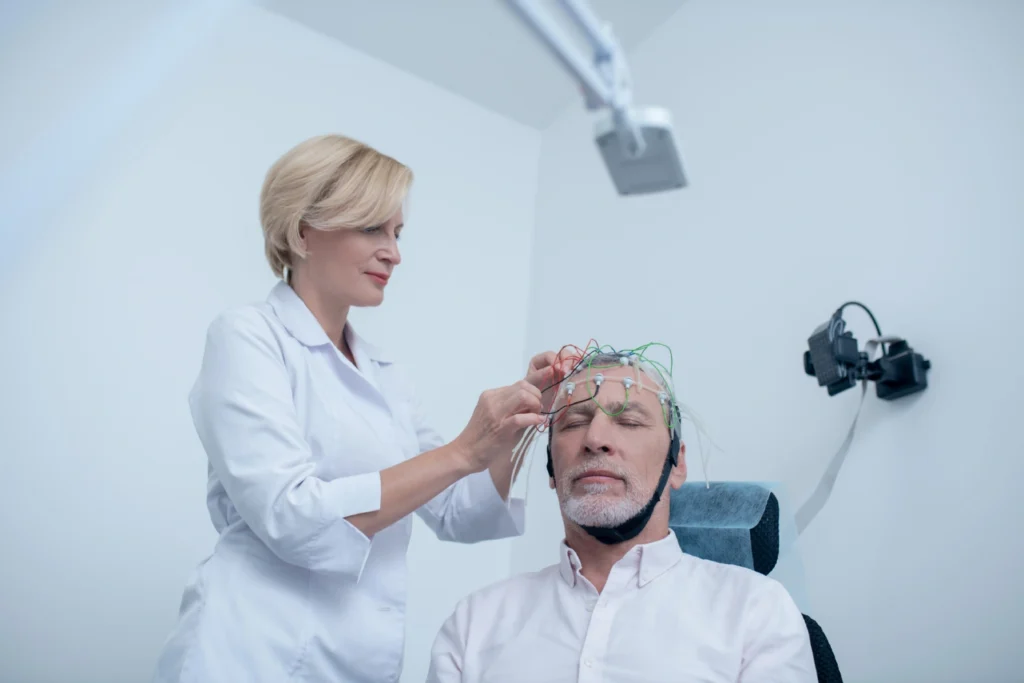
According to the cause and severity of the symptoms, for the condition any doctor can help assess the cases and diagnose and treat occipital neuralgia. Neurologists. Neurologists. Neurologists heal disorders that affect the nervous system, including the nervous system and brain and spinal cord. Many patients with occipital neuralgia start with a visit to a neurologist because the symptoms of the condition closely resemble migraines or other neurological headaches. A neurologist can assess nerve-related symptoms, order imaging tests as warranted and facilitate confirming whether the occipital nerves are responsible for the pain.
Pain Management Specialists
Pain relief practitioners often treat occipital neuralgia, especially in chronic cases. These specialists often provide minimally invasive options such as occipital nerve blocks, steroid injections and radiofrequency ablation. For many patients, these occipital neuralgia treatment both significantly decrease inflammation and interrupt the pain signals traveling along the irritated nerve.
Spine Specialists
Occipital neuralgia can have a connection to some cervical spine issues, like arthritis, herniated discs, muscle tension or previous neck injuries. Orthopedic spine doctors and neurosurgeons may examine whether structural issues in the neck are inducing nerve irritation. Sometimes, addressing the basic spinal problem can significantly alleviate symptoms.
Physical medicine and rehabilitation physicians
Physiatrists emphasize restoring function and alleviating pain without undergoing surgery if it’s possible. They often help patients with occipital neuralgia and associated body posture problems, repetitive strain, tension among muscles, or neck tension. Such specialists may suggest physical therapies, stretching exercises, posture modifications, etc.
The signs should consider seeing a doctor. Frequent occipital headache causes are more common but also chronic pain at the back of the head as a result of nerve pain should not be overlooked. Your doctor’s advice might be:
You may want to be seen if you have frequent sharp pain near the base of the skull, burning or shooting pain along the scalp, tenderness near the back of your head when touching your head, headaches caused by neck movement, or pain that shines right back through to your eyes.
Checkups can be most effective if the situation seems to be getting worse, if symptoms increase in frequency, or when sleep or everyday activity is interrupted or symptoms do not subside with over-the-counter medication.
How Is Occipital Neuralgia Diagnosed?
It is usually diagnosed by examining the patient’s physical characteristics and their overall medical background. A doctor might lightly press along the occipital nerves to find out how the pain pattern was sustained. Imaging exams (such as MRI or CT scans) also may be recommended to exclude structural disorders, cervical spine pathology, or other neurologic phenomena. One of the most useful diagnostic tools is an occipital nerve block. During this procedure, a local anesthetic is injected around the occipital nerve. If the pain improves considerably afterward, that very much indicates occipital neuralgia.
Treatments for Occipital Neuralgia
Treatment depends on how serious the symptoms are, and the underlying cause of the nerve irritation. Many patients benefit from multiple therapies as opposed to a one-size-fits-all approach. Conservative therapy often consists of anti-inflammatory medications, muscle relaxers, heat therapy, massage therapy, adjusting body posture, exercises and relaxation. The occipital nerve blocks are usually very good with persistent symptoms. These injections can also help reduce inflammation and temporarily interrupt pain signals. Some patients get better from repeated injections, over time. In chronic cases, doctors may suggest radiofrequency ablation, Botox injections and advanced nerve pain therapies.
Very rarely, there may be severe cases that result from nerve compression that will need surgery. Instead, a skilled doctor is going to use personalized treatment rather than a one-size-fits-all one.
Questions to ask when selecting a doctor
Selection of the right doctor for occipital neuralgia involves more than simply getting to the nearest clinic. It all depends on experience with nerve pain conditions. And as you search a provider, whether they routinely attend for treatment of occipital neuralgia, have occipital nerve blocks or if they provide multiple treatments, such as other than medications, other treatment options? It’s crucial to also select a medical professional who takes symptoms seriously and listens carefully. People with Occipital Neuralgia often spend years trying to find answers, so working with someone who has experience in this area can make a very big difference.
Is Occipital Neuralgia Possible to Get Over With?
Some mild cases improve over time, partly because of posture correction and muscle tension reduction therapy and rehabilitation, but not the least because of avoiding activities that irritate the neck. But chronic or severe disease cases typically require medical treatment. Left without treatment, these symptoms may worsen or return more often as time progresses. Early diagnosis can provide a major boost for the success of treatment and can help prevent long-term nerve irritation. But even when the disease is chronic, people make major gains with the right treatment plan.

When to Come Doctor for Immediate Management
Although occipital neuralgia itself is not a typically serious issue, you should never ignore severe headache symptoms. Seek emergency medical treatment if you experience sudden weakness, facial drooping, confusion, sight loss, difficulty speaking, loss of consciousness or a headache suddenly severe in a manner that nobody has experienced before. Such symptoms may indicate more serious neurological emergency that warrants immediate and urgent medical evaluation.
Finding the Right Doctor Can Give You a Great Doctor
Chronic head and neck pain can impact sleeping, focusing, concentrating, productivity at work, and quality of life as well as concentration. The good news is that occipital neuralgia treatments are effective if diagnosed and effective treatment are often available once the condition is diagnosed properly. Picking a doctor for occipital neuralgia can often be the first step if you want to understand how you feel and receive the help you want. Whether that means medication, physical therapy, injections or advanced pain management techniques, early evaluation can help the individual avoid having symptoms become more debilitating. If you have ongoing painful back pain, scalp prickling or nerve headaches, a visit with a skilled specialist might be the best way to figure out the solution — and to be treated.