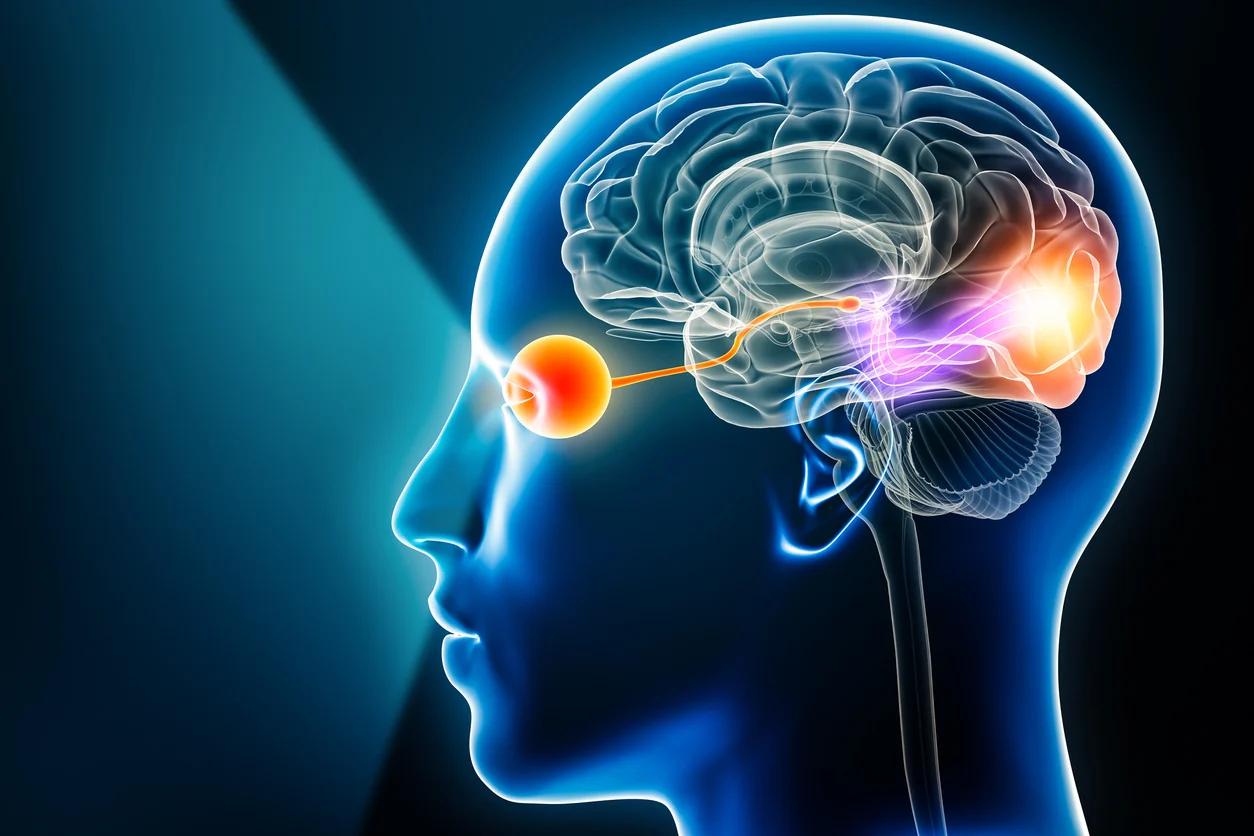
Headaches don’t have to start in the brain. Some people even experience persistent head pain because their nerves in the back of the neck are irritated or compressed. That condition, called occipital neuralgia, can cause intense pain that many people think they have, like migraines, tension headaches or other chronic headache conditions. Because the symptoms overlap, many patients take dozens or even thousands of drugs without being able to identify the actual cause of their pain.
Knowing what makes occipital neuralgia different from other headache disorders is the first step toward finding effective help.
What Is Occipital Neuralgia?
Occipital neuralgia is a nerve condition involving the greater, lesser, or third occipital nerves. These nerves pass from the neck and back behind the head and scalp and provide sensation in these regions. If one or more of these nerves becomes irritated, inflamed, or compressed, pain signals may develop that radiate throughout the head.
Unlike headaches caused mainly by blood vessel or brain activity, occipital neuralgia can arise from the peripheral nervous system. In this way, the focus of treatment often falls on relieving pressure or irritation affecting those nerves.
Common Symptoms of Occipital Neuralgia
Pain from occipital neuralgia can be described as sharp, stabbing, electric, burning, or shooting. The discomfort typically begins near the base of the skull and may go upwards towards the top or head, behind ears or even behind one eye. Some patients suffer from a persistent aching between episodes of prolonged pain.
There’s soreness, too, often observed on the back of the scalp or neck when you’re not aware of the feeling of it and feel things like massage; brushing the hair, resting by a pillow or headwear, all may also give rise to pain, as some may feel it.
Other than that, some patients experience tingling sensations, dizziness, ringing in the ears, nausea or increased sensitivity of the scalp. These symptoms may also come to look similar to migraine, making it difficult to diagnose them.
Why Occipital Neuralgia Is Often Undiagnosed
Because the symptoms of occipital neuralgia share similarities to those of migraines, cervicogenic headaches, and tension headaches, patients are often diagnosed with a different headache disorder before the underlying nerve defect is discovered.
Medications may offer temporary relief for some people with migraines, but they do not remedy persistent nerve compromise or inflammation. In those cases where the headache starts repeatedly at the base of the skull, or there is no response to ordinary treatment, physicians may look into the possibility of occipital neuralgia.
What Causes Occipital Neuralgia?
There are a number of conditions that may irritate the occipital nerves. Previous head or neck injuries, especially whiplash from motor vehicle crashes, are among the most common causes. Trauma can stretch surrounding muscles, connective tissue and nerves, causing chronic inflammation well after the original injury has healed.
Tightness in the muscle, thickened connective tissue or nearby blood vessels may squeeze the nerves as they travel through muscles at the rear of the head. Sometimes, it leads to irritation due to arthritis (upper cervical spine) or sustained strain. At times no clear cause is identified.
How Is Occipital Neuralgia Diagnosed?
Diagnosing the case starts with a thorough medical history and a physical exam. Your doctor will then assess your pain in terms of where it starts, how it travels, and whether stress atop the occipital nerves mimics your pain.
One diagnostic tool that you may find very helpful is an occipital nerve block. The suspected nerve is then injected with a small amount of local anesthetic. If the pain gets much better for a short period, this would surely indicate that the occipital nerve is responsible for the symptoms. Such detail can also assist in identifying what may be the most suitable treatments.
Management of Occipital Neuralgia
Treatment is based on the severity and the cause of symptoms. A majority of patients initiate conservative therapies — medications for nerve pain, anti-inflammatory drugs, rehab and activity modification.
Certain patients might benefit even more by some occipital nerve blocks – These can actually reduce inflammation and may also help a bit with a temporary pain relief.
So when symptoms continue despite conservative treatment, specialists may consider whether chronic nerve compression is causing the ongoing pain. In certain patients, methods aimed at alleviating pressure on the involved nerves may be effective in providing chronic relief.
Nerve decompression surgery will involve the removal of surrounding tissue that stops their normal movements in order to free compressed occipital nerves. It has been reported through studies from specialty centers that properly selected patients consistently have higher rates of long term symptom improvement.
When to Go to See a Doctor?
Chronic headaches that keep starting at the back of the head, pain which rises up from the neck, scalp tenderness, or headaches for which standard treatments for migraine do not work merit more attention. Not every headache is due to occipital neuralgia, but finding out the proper diagnosis can dramatically alter treatment options.
Providing an early assessment helps you avoid lasting pain and unnecessary medication and lets your GP work out a plan that takes into account the underlying source of your pain.
Finding the Path You Need to Go to Relief
Occipital neuralgia is generally ignored, as its symptoms can be strikingly similar to many other headache disorders. Thank god due to good developments in diagnosis and therapy now this condition could be diagnosed more accurately than ever.
If you constantly get headaches near the base of your skull, or if you experience chronic pain after a neck injury, then talking to a neurologist about occipital neuralgia may help you discover the real issue that is causing these headaches.
Some patients successfully manage the disease and achieve a reduction of chronic pain as well as resume life normal with appropriate diagnosis and personalized treatment.